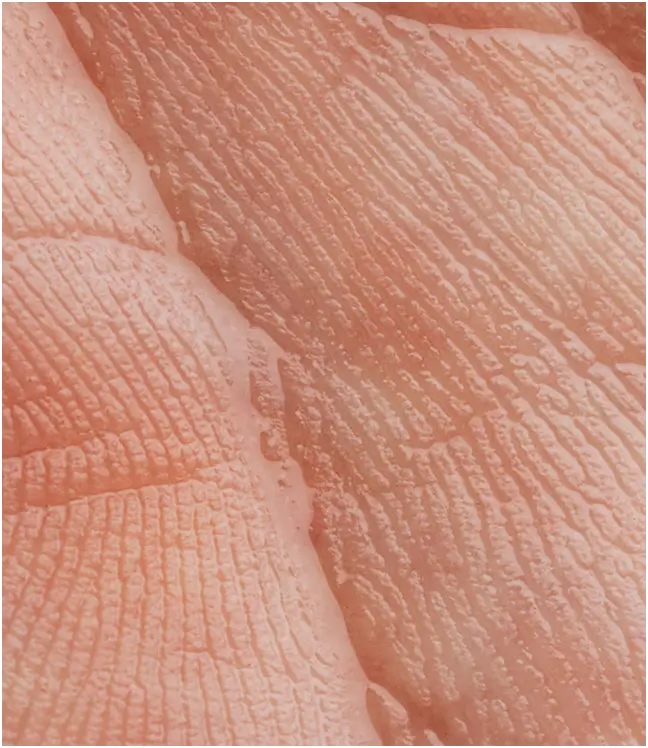
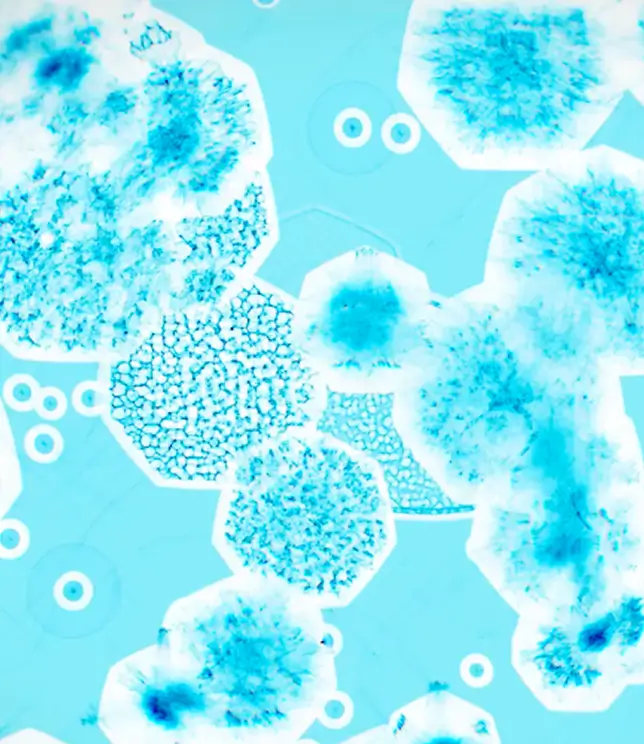
Zbliżenie na strukturę skóry dłoni – widoczne linie papilarne i naturalna tekstura naskórka

CHERISH THE BACTERIA IN YOUR BODY

Maintaining bacterial balance in the human body is crucial. To inhibit the growth of pathogenic microorganisms and support the proper functioning of the immune system, a large number of beneficial bacteria is essential. This balance can be preserved by avoiding excessive destruction of bacteria in the environment and within the body, as well as by supporting the colonization of beneficial microorganisms.

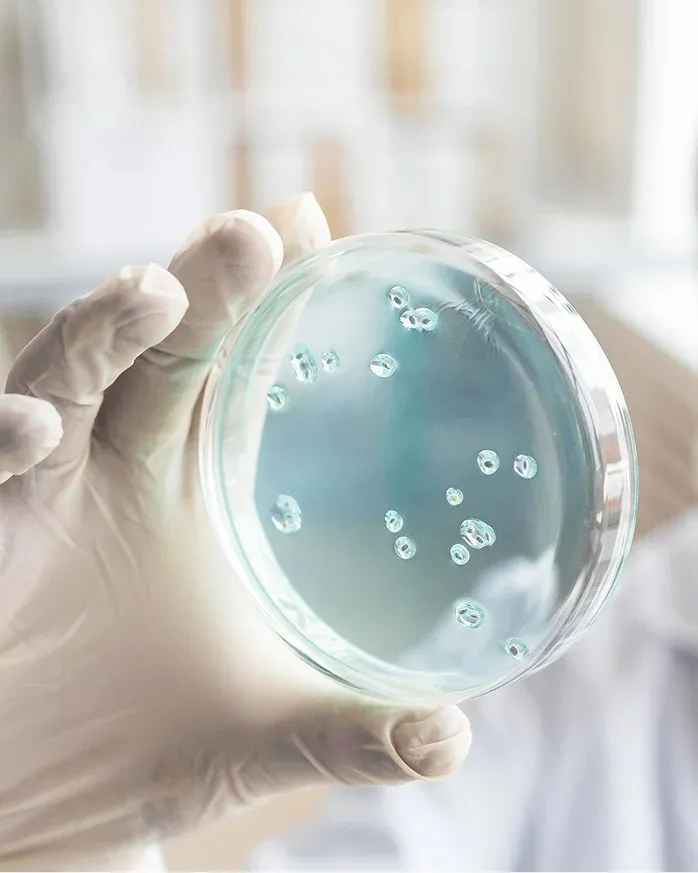
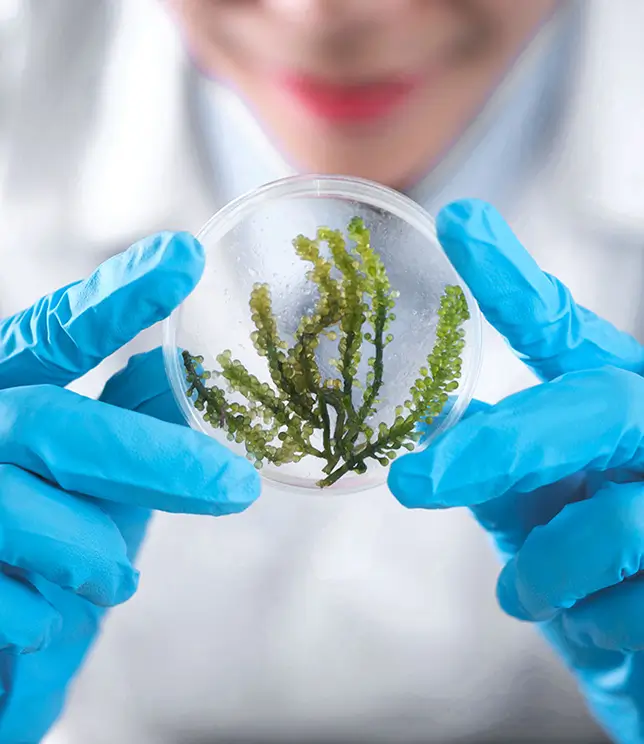
Ręka w rękawiczce trzymająca szalkę Petriego z próbką w laboratorium.

BACTERIAL BALANCE
IN THE BODY

Billions of bacteria inhabit the human body. Most of them are non-pathogenic microorganisms that play protective, supportive, or neutral roles. Only a small portion of bacteria have the ability to cause disease — these are the so-called pathogens. The presence of both beneficial and pathogenic bacteria is a physiological phenomenon — they coexist in a state of symbiosis.

In certain situations, even naturally occurring pathogens can lead to skin problems. This happens when the microbiological balance is disrupted — beneficial bacteria lose their dominant position, allowing pathogens to multiply excessively. However, as long as the ‘good’ bacteria remain in the majority, they effectively inhibit the growth of harmful microorganisms.


BACTERIA AND THE IMMUNE SYSTEM

Exposure to bacteria — both beneficial and harmful — plays a fundamental role in the development and maintenance of a well-functioning immune system.

Contact with bacteria allows the immune system to learn how to recognize and combat potential threats. During the first encounter with a specific pathogen (a bacterium or virus), the body is still defenseless. However, after previous exposure to the microorganism, the immune system ‘learns’ it and can react faster and more effectively upon subsequent exposure.

Not only the lack of contact with pathogenic bacteria, but also the elimination of non-pathogenic bacteria can negatively affect the immune system.

Stos książek z kieliszkiem na górze, na tle różowej ściany.

HOW TO MAINTAIN
THE BALANCE?

Maintaining proper bacterial balance in the body is extremely important. How can this be done best? By avoiding factors that eliminate beneficial bacteria or stimulate the growth of pathogens. It is essential to allow good bacteria to colonize the body and support their growth.

EFFECT OF ANTIBIOTICS

Avoid using antibacterial soaps and take antibiotics only when prescribed by a doctor. Antibiotics, antibacterial agents, and antifungal substances eliminate all bacteria — both harmful and beneficial. Reducing the number of good bacteria promotes the growth of pathogens that remain in the body.

EFFECT OF HYGIENE

It is worth limiting the excessive use of chemical cleaning agents. Too much hygiene can lead to the extinction of our natural bacterial flora.

EFFECT OF DIET

Pay attention to dietary habits, as the functioning of the immune system largely depends on the condition of the digestive tract. Digestive disorders or gut dysbiosis lead to weakened immunity. Healthy intestines are therefore essential for overall health.

Support digestion by reducing the intake of refined sugars — their excess promotes the multiplication of pathogenic bacteria. The intestines can also be strengthened by consuming yogurts containing live bacterial cultures and fermented foods, which increase the diversity of (beneficial) bacteria in the body.

Consuming insoluble fiber from vegetables, fruits, bread, grains, legumes, and nuts promotes the growth of bacteria that help fight pathogens.

DBAJ O BAKTERIE W SWOIM ORGANIZMIE EN