HYGIENE HYPOTHESIS
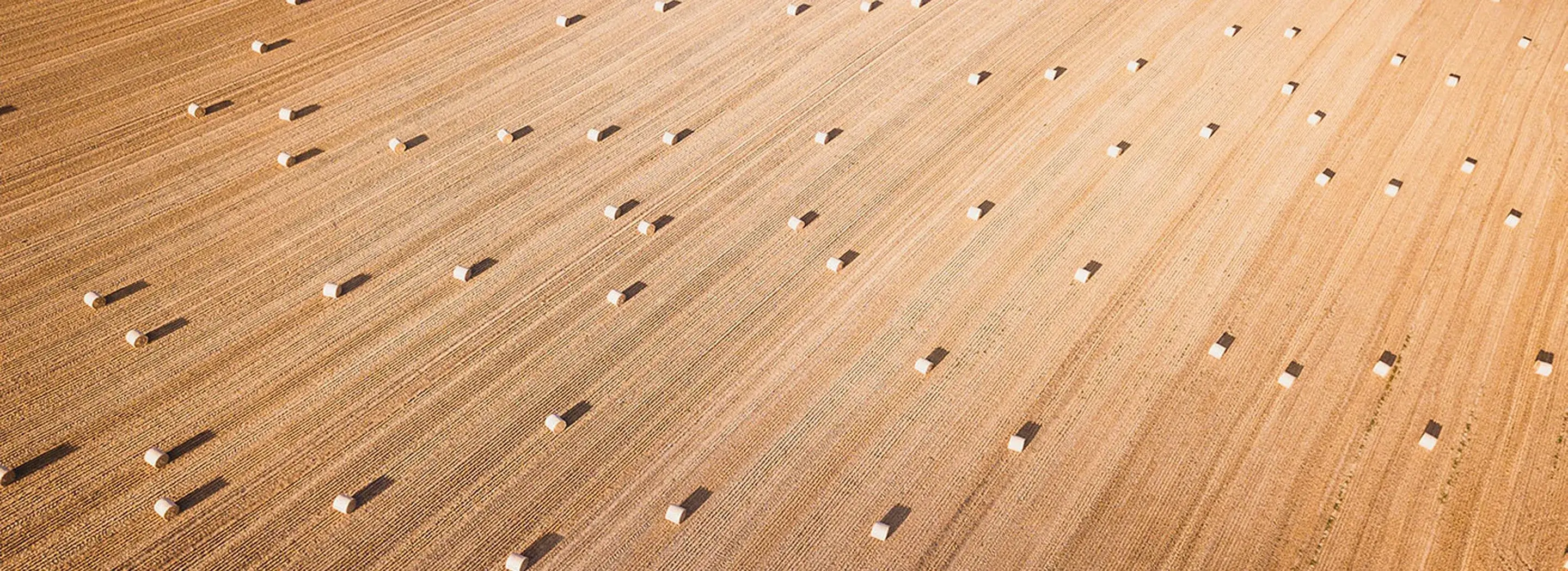
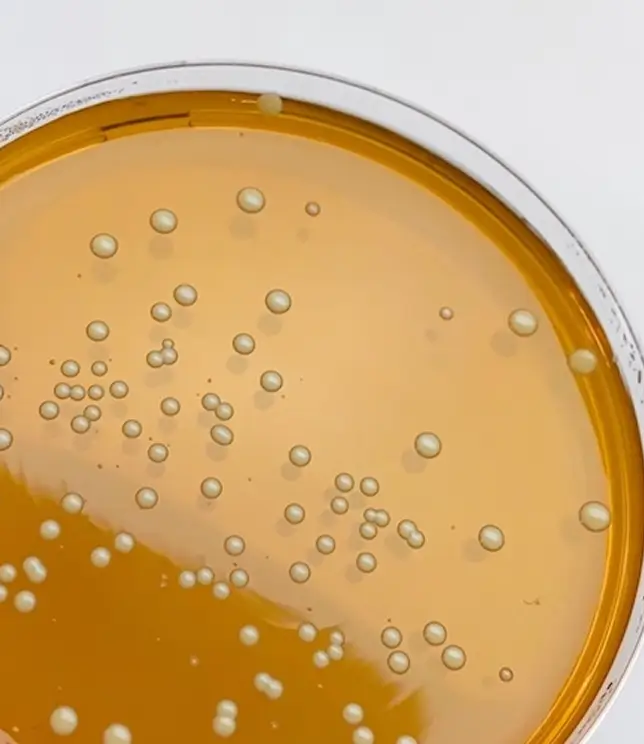
In the 19th century, it was noticed that hay fever was more common among the upper social classes in Great Britain. Doctors observed that allergies were less frequent among farmers, who were more regularly exposed to pollen. In 1989, epidemiologist David Strachan showed that children from larger families developed allergies less often — suggesting that exposure to microorganisms may protect against allergy development.
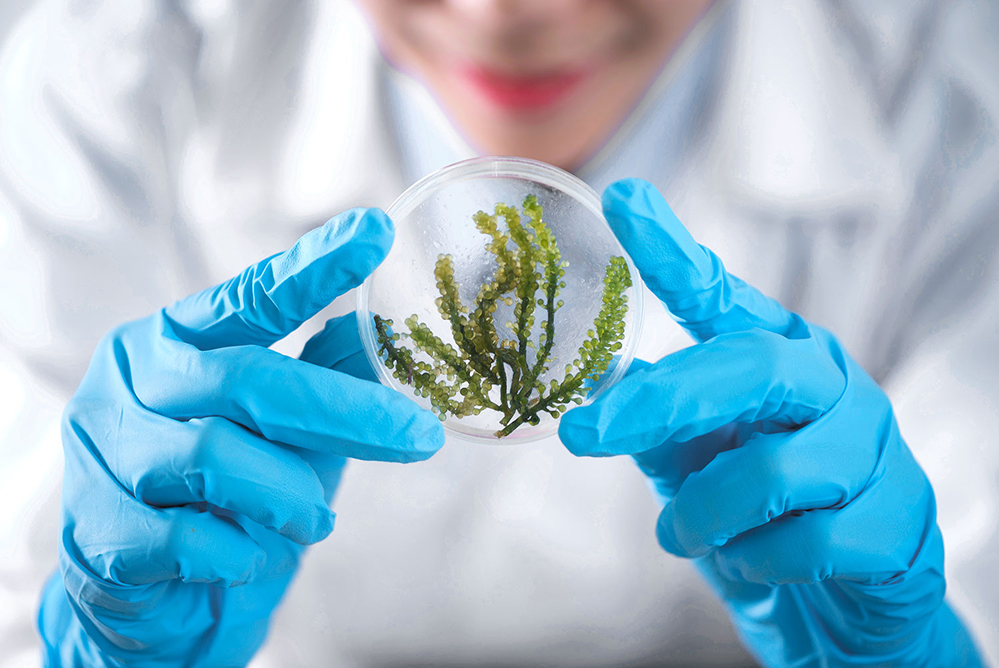
This phenomenon came to be known as the ‘old friends hypothesis’ — the idea that early and regular exposure to harmless microorganisms ‘teaches’ the immune system how to respond correctly to threats. Modern hygiene has reduced the incidence of many infectious diseases, but at the same time deprived us of this natural immunological education.
WHEN CLEANLINESS GOES TOO FAR
Today we have access to antibacterial soaps, sprays, wipes, and disinfectants. Children grow up in sterile conditions, yet we observe rising rates of allergies, autoimmune diseases, and gut disorders. Interestingly, lifestyle and diet contribute to similar changes in pets.
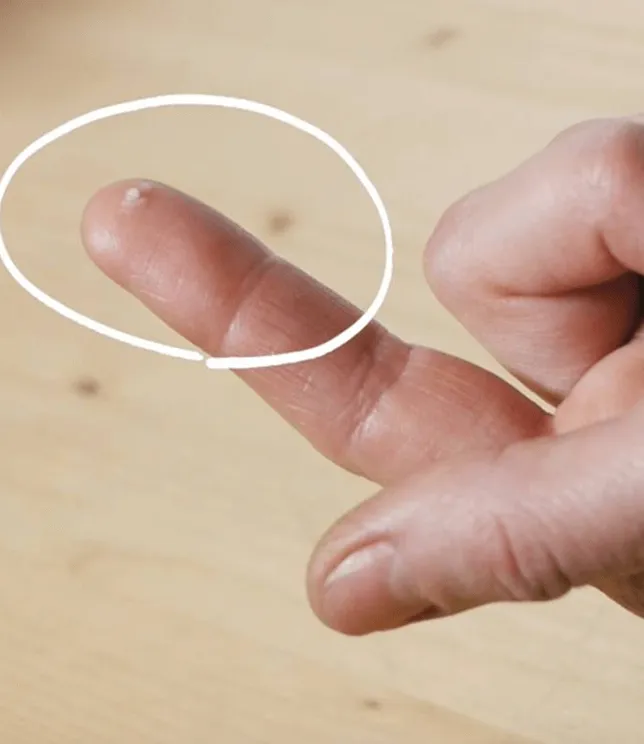
The rise in hygiene since the 1950s, along with the overuse of antibiotics, has led to an imbalance in the immune system. The result is an increase in autoimmune diseases, antibiotic resistance, and a deterioration in skin health.
The conflict between cleanliness and the need for exposure to microorganisms is confusing. How do we find the golden middle ground?