



THE IMPACT OF INGREDIENTS
ON SKIN HEALTH
Billions of microorganisms naturally present on the skin protect us from harmful bacteria and fungi. Unfortunately, the skin’s microbiome can become disrupted, increasing susceptibility to various skin problems. Cosmetics are often the source of these disruptions because they contain ingredients that are harmful to the microbiome. Which ingredients can be damaging, and which ones support skin health?
SURFACTANTS: SLS, SLES, COCAMIDOPROPYL BETAINE
Many soaps and cosmetics contain harsh surfactants such as:
- Sodium Lauryl Sulfate (SLS)
- Sodium Laureth Sulfate (SLES)
- Cocamidopropyl Betaine
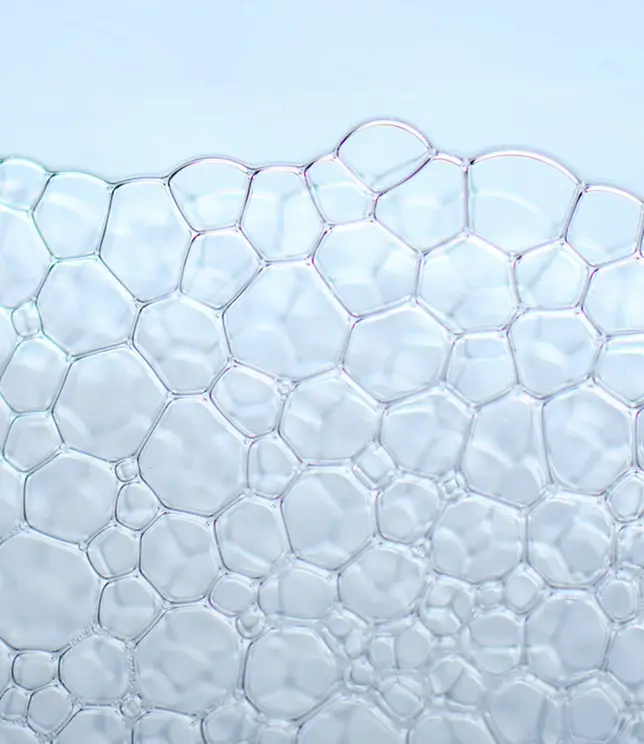
These ingredients reduce surface tension, allowing products to foam abundantly. Their smooth texture makes them common in shower gels, shampoos, shaving foams, and liquid soaps. Unfortunately, by cleansing the skin very aggressively, they also strip away its natural lipid layer, causing dryness, tightness, and discomfort. Additionally, they eliminate large numbers of beneficial bacteria, disrupting the skin’s protective barrier and promoting the growth of pathogens.
It is worth knowing that Sodium Laureth Sulfate (SLES) is also used for cleaning and degreasing garage floors and motorcycles. In cosmetic products, it may only be used in low concentrations and never in its pure form. Despite its irritating effects, many cosmetic companies continue to use these substances because they are inexpensive and produce a rich foam.
PRESERVATIVES: METHYLISOTHIAZOLINONE,
TRICLOSAN, PHENOXYETHANOL
To extend the shelf life of products, preservatives with antibacterial properties are often used. Their task is to inhibit the growth of microorganisms, including bacteria, mold, and yeast. However, when such substances are applied to the skin in the form of cosmetic products, they can also eliminate the beneficial bacterial cultures that form the skin’s natural protective barrier.
Preservatives that require particular caution include: methylisothiazolinone, triclosan, and phenoxyethanol. These substances can penetrate the skin and enter the body, where they may have negative effects. Methylisothiazolinone may cause contact allergies with long-term use; triclosan may contribute to the development of antibiotic resistance; and phenoxyethanol — according to studies — may worsen symptoms of atopic dermatitis and trigger allergic reactions.
Although these ingredients are usually used in low concentrations, which reduces their harmfulness to some extent, repeated application of cosmetics containing these preservatives can lead to the accumulation of these substances in the body.

WHAT YOU SHOULD KNOW ABOUT SILICONES
The term ‘silicones’ refers to a broad group of polymers used across many industries. Because of their diversity, their biodegradability or safety cannot be assessed in a uniform way. The properties of silicones vary depending on their chemical structure.
For this reason, the European Union prohibits cosmetic labels from using claims such as ‘0% silicone’ or ‘silicone-free,’ even though such claims still appear. The EU has also created a detailed list of silicones permitted for use in cosmetics.
Despite their often unfair negative reputation, many types of silicones have beneficial properties and can be used without harming the skin’s natural microbiome.
THE IMPORTANCE OF MICROBIOME-SAFE INGREDIENTS
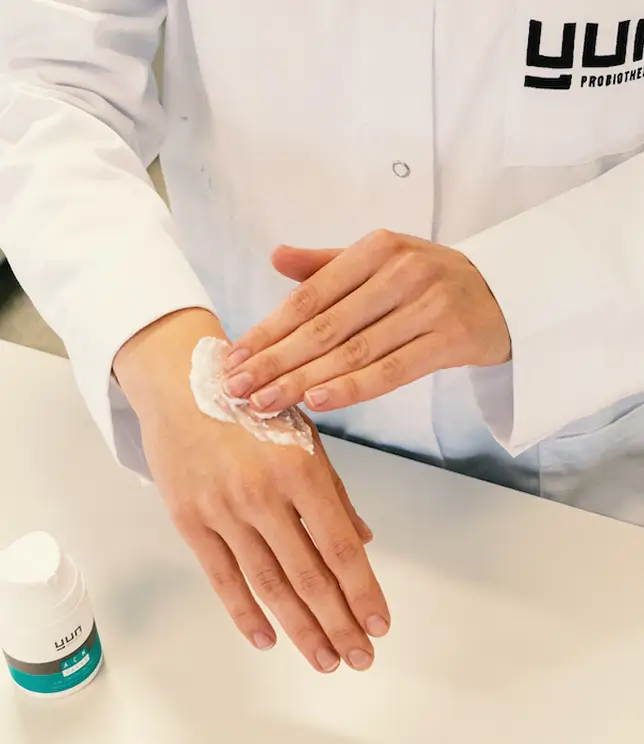
YUN carefully and rigorously selects the ingredients used in its products, taking their impact on health into account. A multi-stage selection process is carried out to ensure that every product is 100% safe for the skin’s microbiome — so that both the user and their microbiome can function optimally.
Want to learn more about our strict selection process? Check here: