
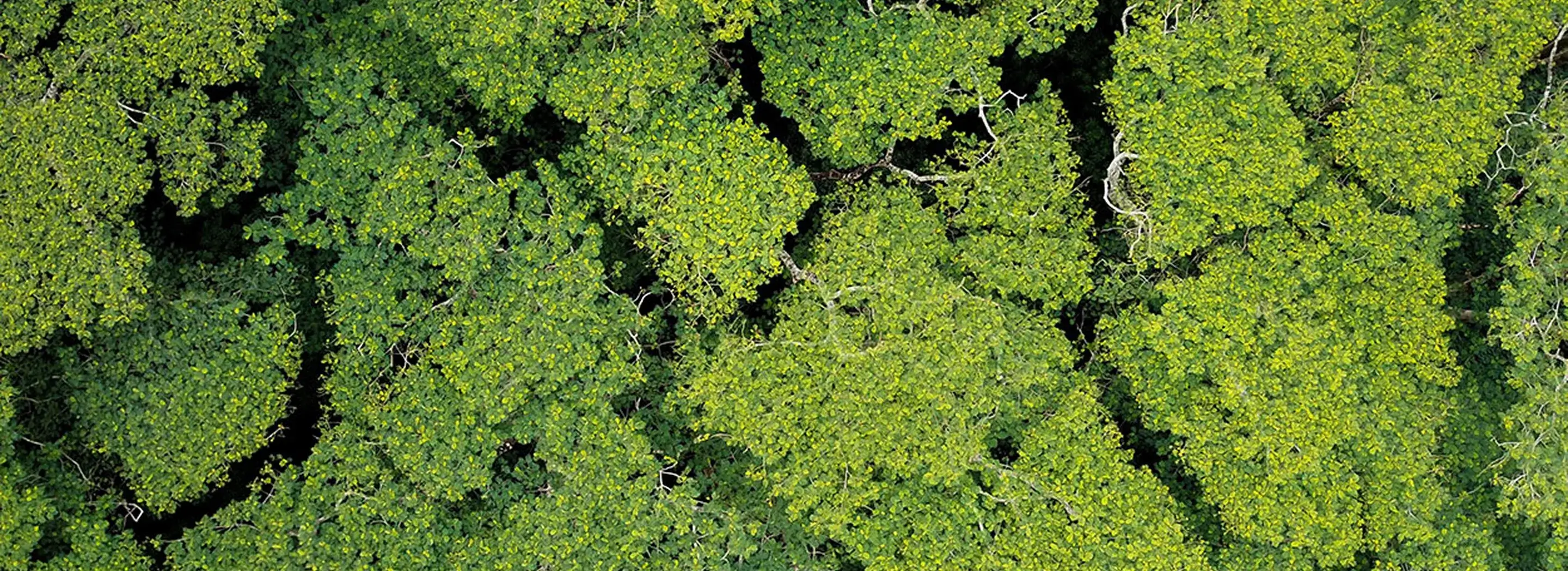



Widok z lotu ptaka na gęsty zielony las tropikalny z wyraźnymi koronami drzew

THE VERSATILITY OF BACTERIA

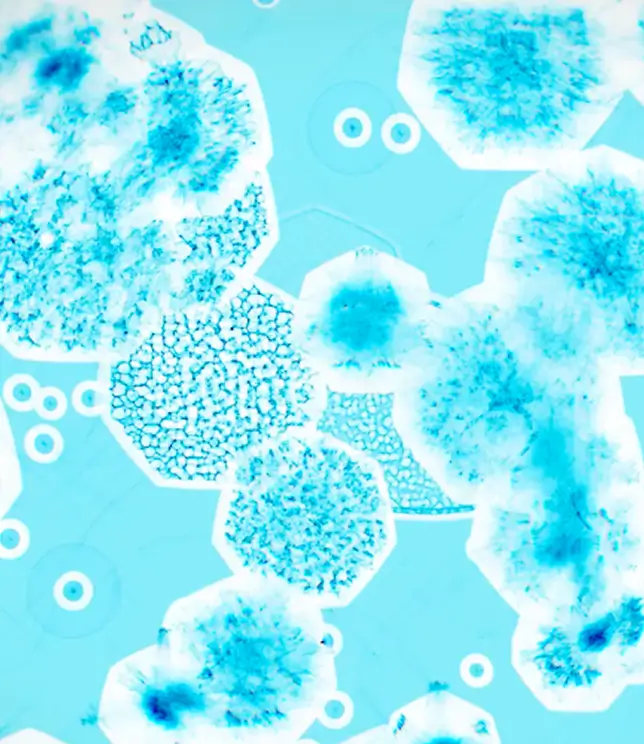
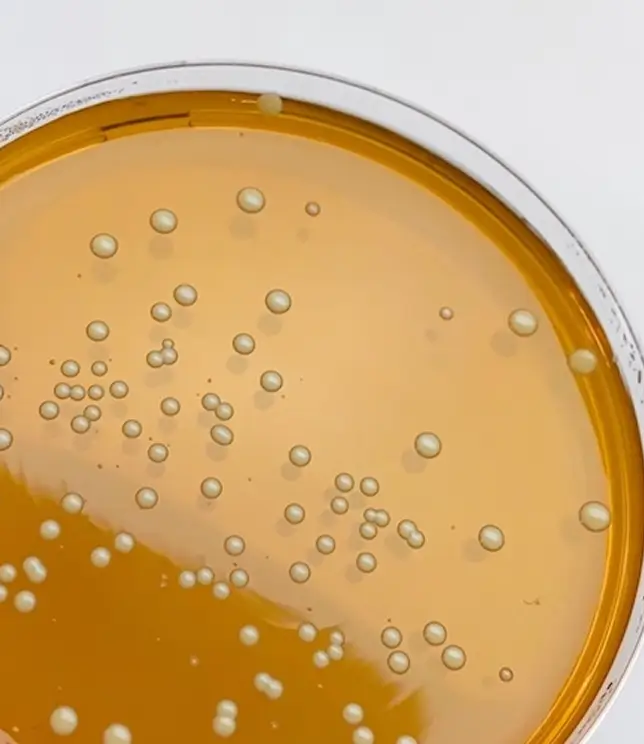
What do you associate bacteria with? Some people dislike them, but we love them — because they support every aspect of our daily lives in incredible ways. Still have doubts? It’s time to take a closer look and see what’s happening under the microscope!

The world of microorganisms is both microscopically small and immense. It includes bacteria, archaea (primitive bacteria), fungi, and protists. We cannot see them with the naked eye, yet they are everywhere — in the air, soil, food, and on and inside our bodies. Humanity could not exist without bacteria, although they can easily survive without us.

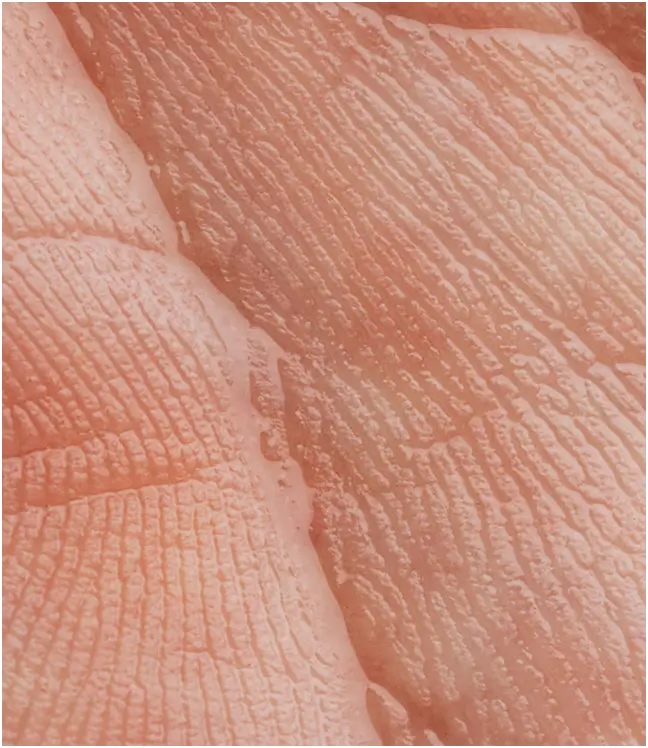
BACTERIA PRESENT IN US AND ON OUR SKIN

The microbiome — the community of microorganisms — protects us from dangerous pathogens by preventing them from adhering and colonizing. Some bacteria actively support the immune system. Fungi also play a positive role — they are part of our microbiome. Millions of bacteria also live in the digestive tract. They help break down food into the energy needed for everyday functioning.

Did you know that wine, beer, cheese, yogurt, and salami are produced thanks to bacteria? They ferment food by transforming carbohydrates (like sugars) into acids, which give products their distinctive flavor and extend their shelf life. Their culinary talents are not only practical but also delicious!

THE ANIMAL MICROBIOME

At first glance, human and animal skin may seem different, but in reality, they are very similar! Our pets also have a skin microbiome, just like we do. In both humans and animals, bacteria play a major role in health. Although we already know a lot about the human microbiome, data on the animal microbiome is less complete. That’s why, just as we study human skin, we have begun analyzing the microbiome of animal skin. We believe that we can also find effective solutions for animals by supporting nature with beneficial bacteria.

Currently, Cyrelle Houtsaeger is conducting research on the microbiome of a dog’s ear — our loyal companion.

Grupa różnych ras psów na tle różowej ściany.

PHOTOSYNTHETIC BACTERIA

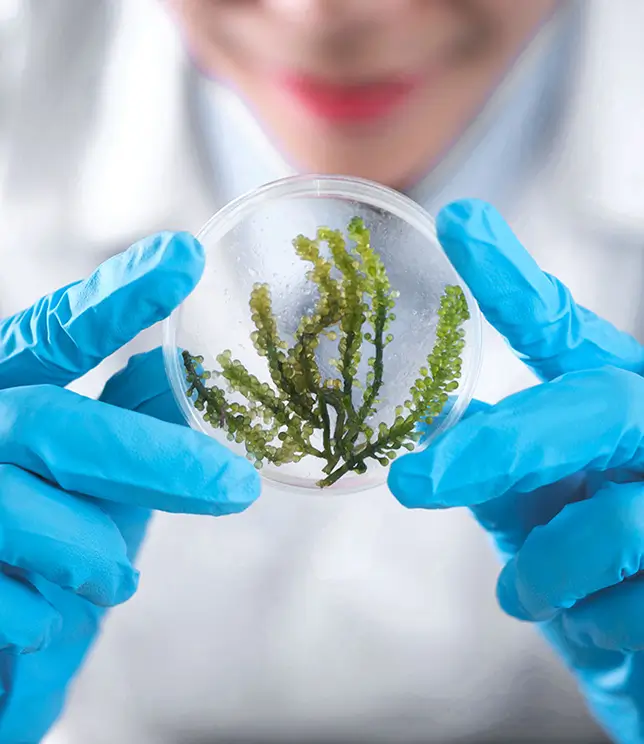
Although photosynthesis is mainly associated with plants and algae, bacteria are also capable of producing oxygen! These microorganisms belong to a group known as photosynthetic bacteria. During photosynthesis, they use sunlight and carbon dioxide.

There are several main groups of photosynthetic bacteria:

  • Proteobacteria (the so-called purple bacteria),
  • Heliobacteria,
  • Chloroflexi (green non-sulfur bacteria),
  • Chlorobi (green sulfur bacteria) – which prefer sulfur and low light,
  • Cyanobacteria (blue-green algae, living mostly in oceans).

As much as one-third of the world’s photosynthesis is carried out by microorganisms living in the oceans. Beyond their natural role, photosynthetic bacteria are also used in water purification, the production of organic fertilizers, and as an ingredient in animal feed.

BACTERIA IN COMPOSTING

Bacteria and fungi present in soil and on dead plant matter play a key role in the composting process. They decompose organic matter, breaking down sugars, starches, and proteins. During this aerobic process, by-products such as carbon dioxide, water, and heat are produced — leading to the creation of compost.

Białe chmury na tle błękitnego nieba.
Białe chmury na tle błękitnego nieba

AIRBORNE BACTERIA
IN ACTION

Before a cloud can produce rain or snow, droplets of water or ice crystals must form inside it. In addition to water vapor and suspended particles, clouds also contain — surprisingly — bacteria. Some of these bacteria can trigger the freezing of water droplets, even at temperatures above zero. After falling from the cloud, they may melt while descending — resulting in rain or snow.

WSZECHSTRONNOŚĆ BAKTERII EN