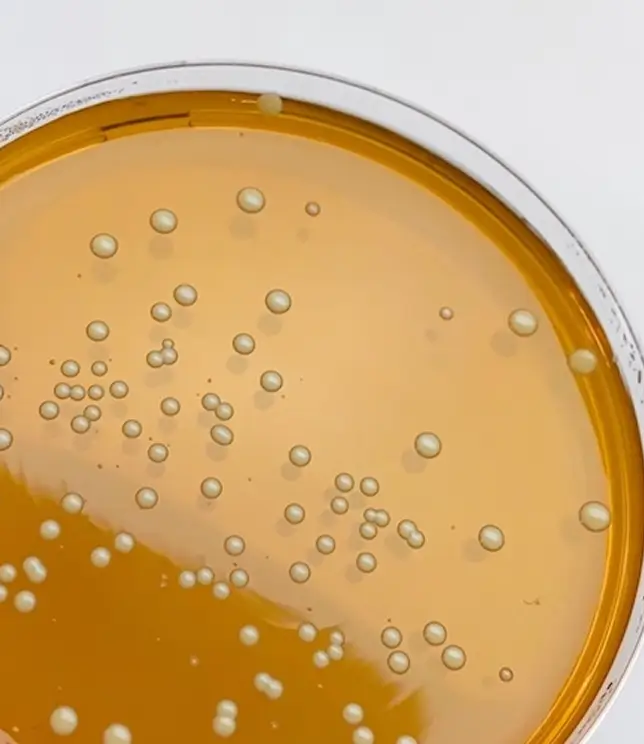
Studies have shown that the microbiome begins developing even before birth — small amounts of bacteria are present in the uterus, placenta, and amniotic fluid. Although the fetus is exposed to bacteria already in the womb, the most important colonizing bacteria reach it during natural childbirth — through the mother’s birth canal. These bacteria are crucial for building a strong microbiome and a well-functioning immune system.
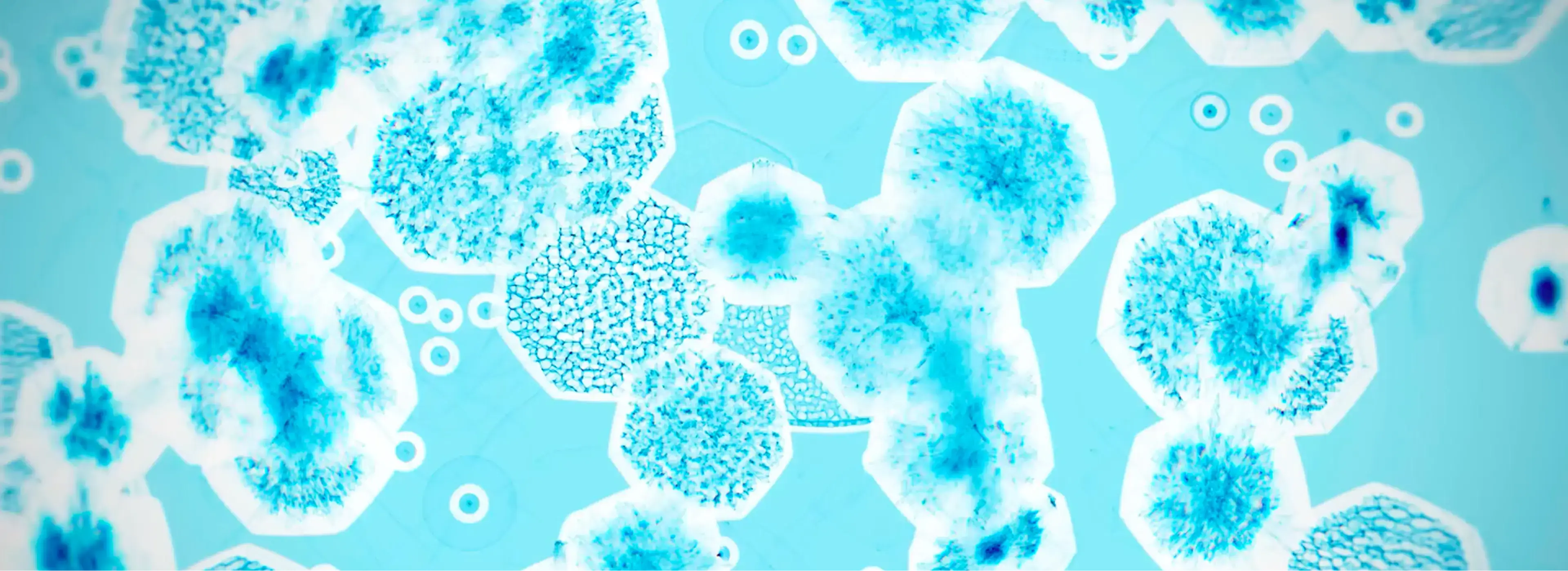
Human cells make up only 43% of the total number of cells in the body — the remaining 57% are bacteria, fungi, and unicellular eukaryotes living in our intestines, oral cavity, on the skin, and in the female reproductive system. Altogether, we have more than 1.5 trillion bacteria!
MICROBIOME COMPOSITION
The composition of the microbiome varies greatly depending on its location in the body. Around 400 species of bacteria can be found in the digestive tract, while the vagina contains “only” about 300. Many factors influence microbiome diversity — environment, diet, and genetics. Someone living in the desert will have a different microbiome than someone living by the sea. Interestingly, microbiomes tend to be similar among relatives or people living in the same household.
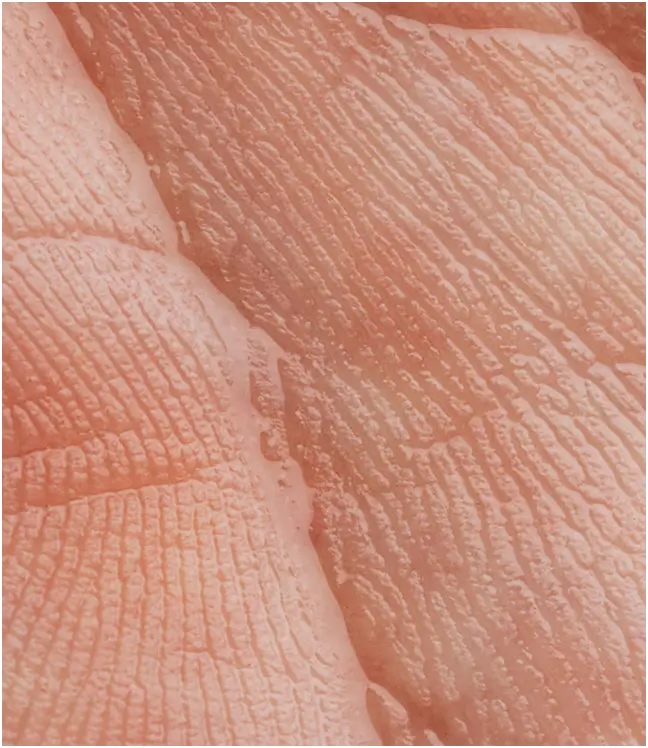
The proportions and types of bacteria differ from person to person — the microbiome is as individual as a fingerprint.
THE BACTERIAL REVOLUTION
Interest in the microbiome — especially probiotics — is growing at a rapid pace. This is driven by increasing scientific research and growing public awareness. The market for pharmabiotics and probiotics is developing dynamically, especially in products supporting the digestive system and healthy digestion. At the same time, the demand for safe OTC (over-the-counter) products is rising, which translates into greater investment in companies involved in genomic research.
Interesting scientific source:
Mitchell CM, Haick A, Nkwopara E, et al. Colonization of the upper genital tract by vaginal bacterial species in nonpregnant women. Am J Obstet Gynecol. 2015 May;212(5):611.e1–9. doi:10.1016/j.ajog.2014.11.043. Epub 2014 Dec 16. PubMed PMID: 25524398; PubMed Central PMCID: PMC4754962.